
Innovative Solutions
Transforming Healthcare with
AI-Powered Wearable Technology
Non-Invasive Monitoring
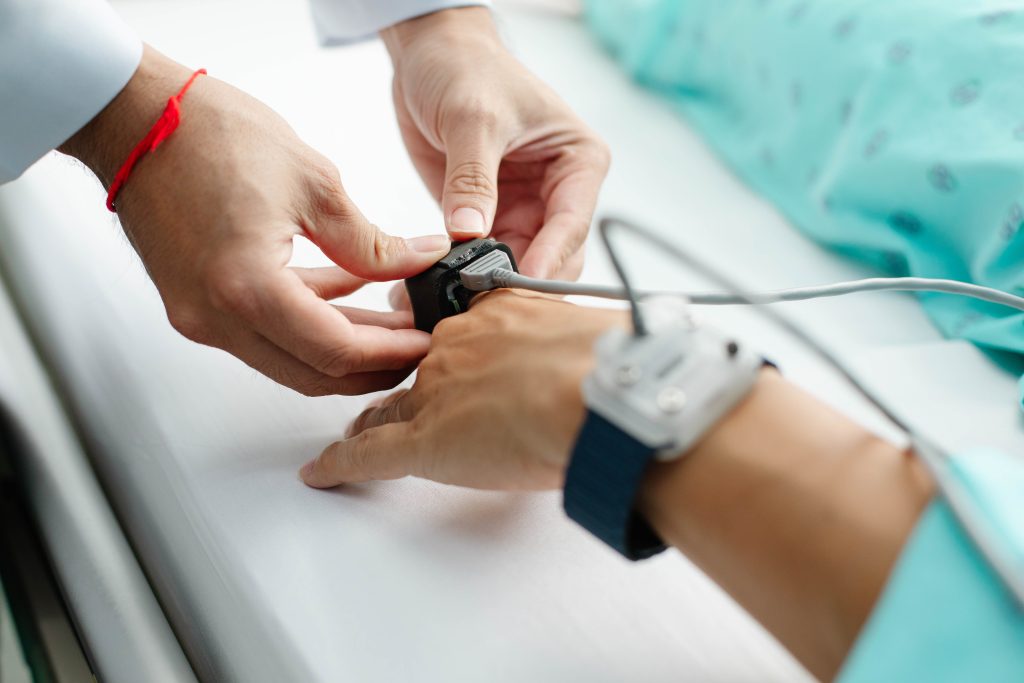
D-SCAPE uses advanced optical sensing (photoplethysmography, PPG) to continuously capture cardiovascular signals from the skin, enabling estimation of key physiological parameters such as blood pressure and haematocrit. This fully non-invasive approach allows patients to be monitored without blood sampling, cuffs, or invasive procedures.
While optical sensing is widely used in consumer wearables, D-SCAPE is purpose-built for clinical monitoring. By combining multi-wavelength sensing, hardware designed for clinical monitoring, and tailored signal processing, the system is designed to detect subtle physiological changes associated with dengue disease progression, supporting earlier identification of patients at risk of deterioration.

AI-Powered Data Analysis
Physiological data collected by the wearable devices are analysed in real time using machine learning models specifically developed for dengue monitoring. By tracking trends over time rather than isolated measurements, the system provides continuous assessment of disease severity and haemodynamic stability.
This approach supports earlier, targeted clinical intervention while helping clinicians distinguish between patients who require escalation of care and those who can be safely monitored. By enabling more informed decision-making, D-SCAPE has the potential to reduce unnecessary hospital admissions, optimise bed utilisation, and alleviate pressure on healthcare systems during dengue outbreaks.
Real-world Clinical Deployment
D-SCAPE is developed in close collaboration with clinicians and researchers, including partners at the Oxford University Clinical Research Unit. These partnerships ensure that the system is grounded in real clinical workflows and informed by the latest medical and translational research.
Through co-development and ongoing clinical evaluation, D-SCAPE aims to deliver solutions that are evidence-based, clinically relevant, and suitable for deployment in dengue-endemic settings. This collaborative approach strengthens confidence in the reliability, safety, and real-world impact of the technology.

Patient-Focused Design
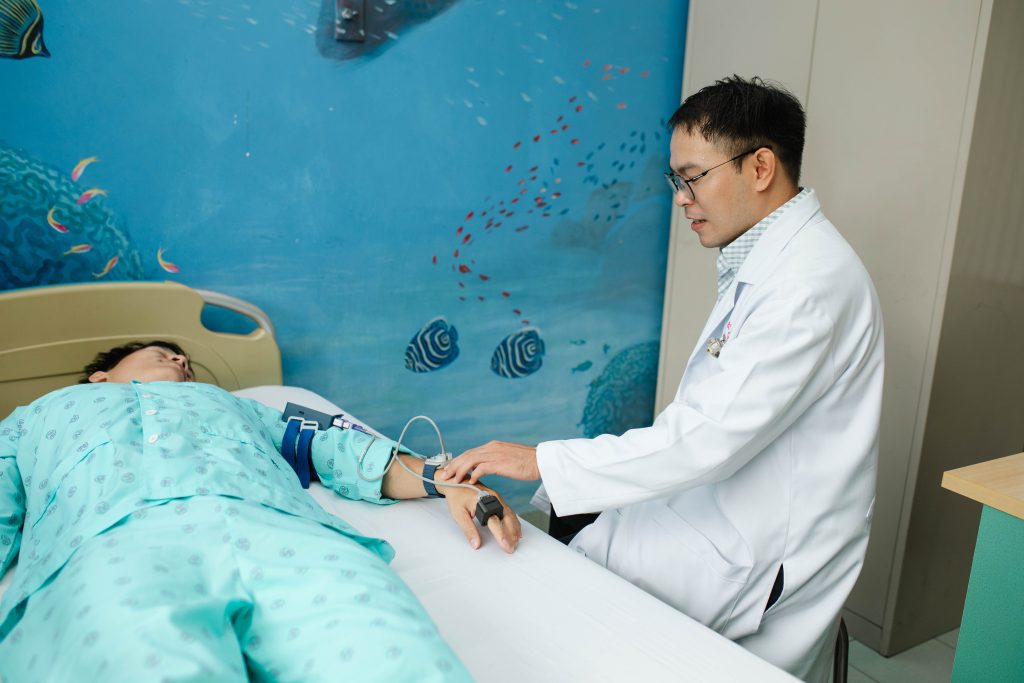
Patient comfort and usability are central to the design of D-SCAPE’s wearable devices. The system is lightweight, unobtrusive, and designed for continuous use, enabling reliable monitoring without disrupting daily activities or clinical routines.
By prioritising ease of use for both patients and healthcare staff, D-SCAPE supports high adherence to monitoring protocols and sustained data quality over time. This is particularly important for paediatric patients and in resource-limited healthcare environments, where practical, acceptable solutions are essential for effective long-term monitoring.